English


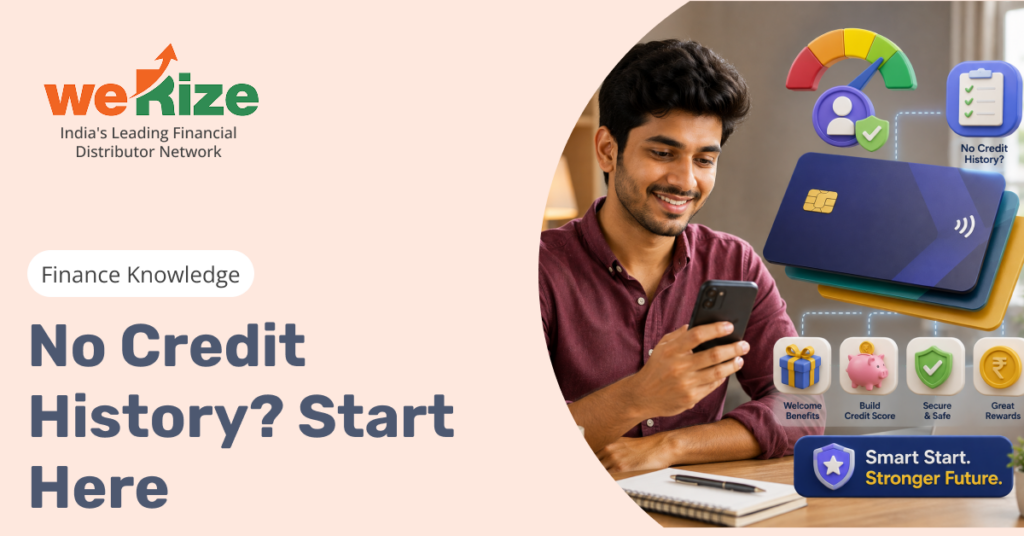


Getting your first credit card can feel confusing. You have no credit history. You do not know which bank will approve you. Meanwhile, banks want proof that you can repay on time. This gap stops many people from even applying.
However, the good news is simple. Several Indian banks now design cards just for beginners. Furthermore, having no CIBIL score is not a dead end. It just means you have not started yet. Similarly, it means every choice you make from here builds your record from scratch.
In this guide, we will walk you through the best credit cards for no credit history. Besides that, we will cover eligibility, documents, and smart usage tips. As a result, you can pick a card with confidence and avoid common beginner mistakes.
What Are Credit Cards for First-Time Users?
A credit card for first-time users is a beginner-friendly card. Banks design it for people with little or no credit history. Unlike premium cards, it usually asks for proof of lower income. Moreover, it comes with a smaller credit limit at the start.
These cards are not about big rewards. Instead, they focus on one goal: helping you build a clean credit record. Once you use the card responsibly, you can later upgrade to better cards. In other words, this first card is your entry point into the credit system.
Can You Get a Credit Card With No Credit History?
Yes, you can. Many people assume banks reject applicants with no CIBIL score. However, that is not always true. In fact, a “-1” or “NH” score simply means no history exists yet. It does not mean a bad score.
Therefore, banks look at other factors instead. These include your salary, your bank account activity, and your employment type. Additionally, some banks offer secured cards backed by a fixed deposit. As a result, even students and homemakers can qualify.
Consequently, having no credit history is a starting point, not a barrier. Similarly, it means your habits from day one will shape your future credit score.
Types of Credit Cards Available With No Credit History
Beginners generally have four options. Let us look at each one.
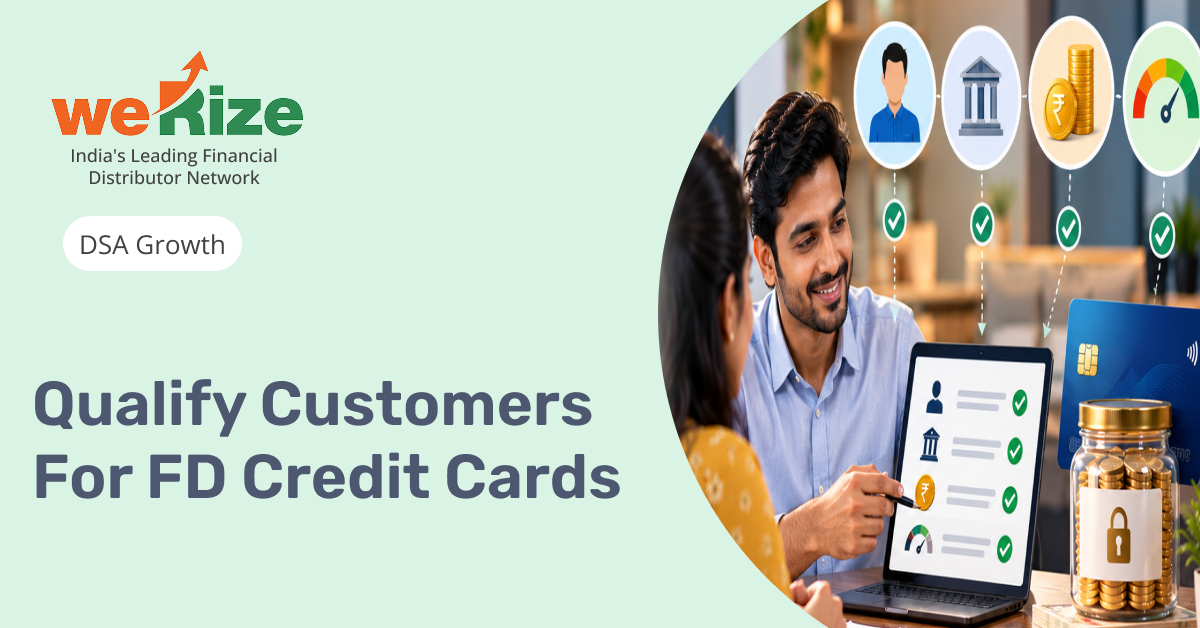
Secured or FD-backed cards: These cards are linked to a fixed deposit. Your deposit acts as collateral. Meanwhile, your FD keeps earning interest as usual. This option needs no income proof and no credit history.
Entry-level unsecured cards: Some banks approve these based on salary account activity alone. Furthermore, they often come with a lifetime-free fee structure.
Student credit cards: These cards suit college students. Besides that, they usually have low limits and simple rewards.
Add-on cards: A family member with a good credit card can add you as a secondary user. Consequently, this builds a credit history under your own PAN as well.
Best Credit Cards for First-Time Users in India
The table below lists popular beginner-friendly options. Note that fees, limits, and features change over time. Therefore, always check the bank’s official website before applying.
| Card Name | Card Type | Best Suited For | Annual Fee | Key Highlight |
| IDFC FIRST Classic / WOW | Unsecured & FD-backed | Salaried beginners and no-CIBIL applicants | Lifetime free | Wide approval even with a “-1” score |
| Kotak 811 Credit Card | FD-backed | Beginners without income proof | Nil to low | Easy digital onboarding |
| SBI Cashback Credit Card | Unsecured | Frequent online shoppers | Low annual fee | High cashback on online spends |
| Axis Insta Easy Credit Card | FD-backed | Beginners with a fixed deposit | Low annual fee | Instant approval against FD |
| Amazon Pay ICICI Credit Card | Unsecured | Regular Amazon shoppers | Lifetime free | Simple cashback structure |
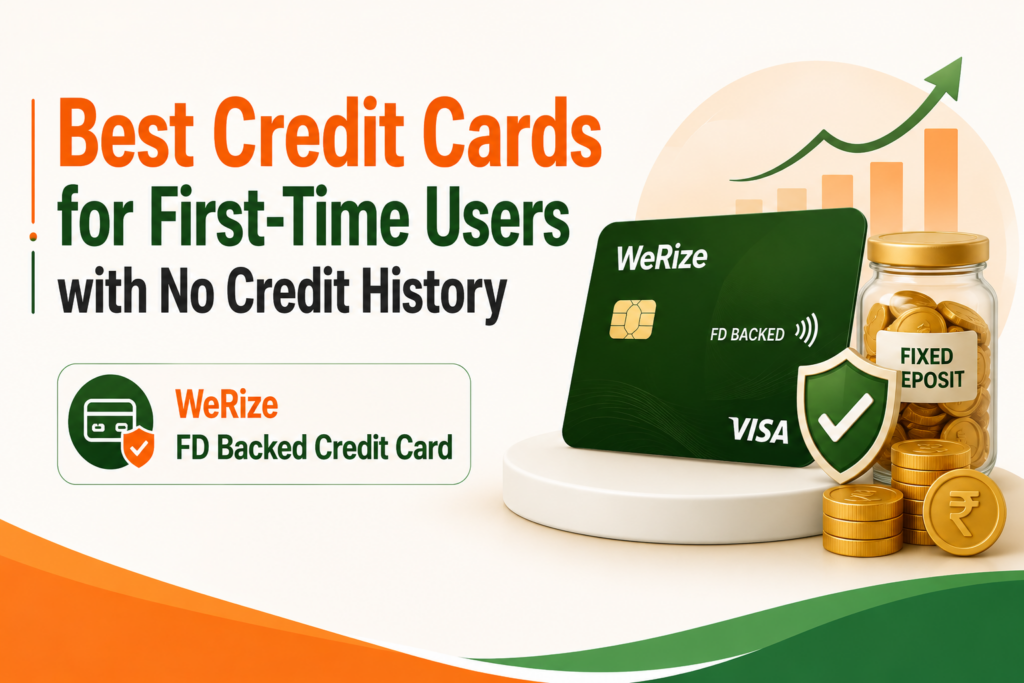
| WeRize FD Backed Credit Card | FD-Backed | UPI spends, Fuel, Shopping, Food, Entertainment, etc. | No annual fee | Guaranteed approval, FD interest, Card benefits. |
As you can see, each card suits a different need. Meanwhile, the right pick depends on your income proof, spending habits, and comfort with a secured deposit. Always confirm current interest rates, fees, and offers directly with the issuing bank, since these details change frequently.
Secured vs Unsecured Credit Cards: Which Is Better for Beginners?
This is a common question among first-time users. Let us break down both options.
A secured card needs a fixed deposit as backup. Consequently, approval is almost guaranteed. Besides that, your deposit continues to earn interest. However, your credit limit stays tied to the deposit amount.
An unsecured card, on the other hand, needs no deposit. Instead, banks check your salary and account history. As a result, approval can take longer or be rejected. Nevertheless, it does not lock up your savings.
So, which is better? If you have savings to spare and want guaranteed approval, a secured card works well. Conversely, if you have a steady salary and want to skip locking funds, an unsecured entry-level card may suit you better. Either way, both options build your credit score in the same manner.
How to Choose the Best Credit Card With No Credit History
Choosing your first card should not be complicated. Here is what to check before you apply.
First, look at the annual fee. A lifetime-free or low-fee card reduces pressure while you learn. Second, check the reward structure. Simple cashback works better than confusing point systems for beginners. Third, consider your spending pattern. If you shop online often, pick a card with online cashback. Meanwhile, if you pay many utility bills, choose a card built for bill payments.
Furthermore, check the credit limit offered. A smaller limit is actually helpful at this stage. It keeps you from overspending. Besides that, look at how easily the card upgrades later. A good starter card should let you move to better cards as your score improves.
Lastly, read the eligibility criteria carefully. As mentioned earlier, some cards need income proof, while FD-backed cards do not. Therefore, match the card to your current situation, not your future goals.
Eligibility and Documents Required for First-Time Credit Card Users
Eligibility rules vary slightly across banks. However, most beginner cards ask for similar basics.
General eligibility:
- Age between 18 and 60 years
- Indian resident status
- Steady income or an active bank account (for FD-backed cards, a fixed deposit instead)
- Monthly income between roughly ₹15,000 and ₹25,000 for unsecured entry-level cards
Documents usually required:
- PAN card
- Aadhaar card or another valid address proof
- Recent salary slips or bank statements
- Passport-size photograph
- Fixed deposit receipt, if applying for a secured card
Since requirements differ by bank, it helps to check the exact list on the issuer’s website before you apply. This simple step saves time and avoids rejection.
How to Apply for Your First Credit Card
Applying for your first card is easier than most people expect. Follow these steps.
First, compare a few beginner-friendly cards based on fees and benefits. Second, check your eligibility against the bank’s stated criteria. Third, gather your documents in advance, including PAN, Aadhaar, and income proof.
Next, apply online through the bank’s website or app. Alternatively, you can visit a branch in person. After that, the bank verifies your documents and income. Meanwhile, for FD-backed cards, you simply open a fixed deposit and link it to the card request.
Finally, once approved, the bank issues your card and mails it to your address. As a result, you can start using it within a week or two, depending on the bank’s process.
Tips to Use Your First Credit Card Responsibly
Getting the card is only the first step. What you do next matters more. Here are some practical tips.
Pay your full bill every month. This single habit affects your credit score the most. Besides that, paying only the minimum due leads to high interest charges over time. Similarly, keep your credit utilisation below 30% of your limit. Using too much of your available credit can lower your score, even if you pay on time.
Moreover, avoid applying for multiple cards at once. Each application triggers a check on your credit report. Consequently, too many checks in a short span can hurt your approval chances. Instead, stick with one card and build a steady track record.
Furthermore, set up auto-pay or reminders for your due date. A missed payment stays on your record for a long time. Therefore, a simple reminder can protect your score for years. Lastly, treat your credit limit as a boundary, not a target. Just because you can spend up to the limit does not mean you should.
How Your First Credit Card Can Help Build Your Credit Score
Your first credit card plays a big role in shaping your credit score. Every time you pay your bill on time, the bank reports it to credit bureaus. As a result, your score gradually improves.
Additionally, consistent usage shows lenders that you can handle credit responsibly. Over time, this opens the door to better cards, higher limits, and even loans at lower interest rates. Meanwhile, keeping your utilisation low signals discipline rather than dependency on credit.
In short, a well-managed first card becomes the foundation for your entire financial journey. Similarly, the habits you build now will follow you into home loans, car loans, and future credit cards.
Common Mistakes to Avoid as a First-Time Credit Card User
Many beginners make avoidable errors early on. Here are the most common ones.
Treating the credit limit as spare cash is a big mistake. It is borrowed money, not free money. Besides that, missing due dates even once can drop your score sharply. Similarly, paying only the minimum due lets interest pile up fast.
Furthermore, applying for too many cards at once confuses lenders and hurts your score. Meanwhile, ignoring your monthly statement can lead to missed errors or fraudulent charges. Additionally, closing your first card too early can shorten your credit history, which may lower your score later.
Therefore, the safest approach is simple. Pay on time, spend within limits, and review your statement every month.
Conclusion
Choosing among the best credit cards no credit history has to offer does not need to be stressful. As we have seen, banks now design several options specifically for beginners. Whether you choose a secured FD-backed card or a simple entry-level unsecured card, the goal remains the same: building a healthy credit history.
Furthermore, your first card is not about rewards or luxury. Instead, it is about discipline. Pay on time, keep your usage low, and avoid unnecessary applications. Consequently, your credit score will grow steadily, opening doors to better financial products down the line.
In the end, every strong credit profile starts with one careful first step. Similarly, yours can start today, with the right card and the right habits.