English


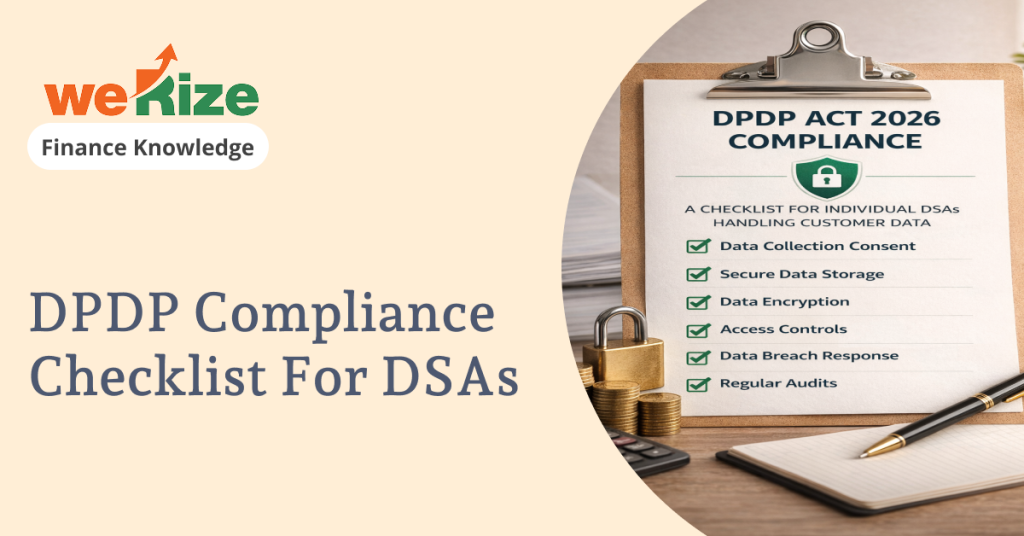






Today, everything happens online. People share names, numbers, and documents all the time. So, protecting that data has become really important.
As a DSA (Direct Selling Agent), you collect customer details daily, such as phone numbers and Aadhaar copies. Therefore, you must treat them with care and honesty.
Thankfully, the DPDP Act 2026 makes this job simple. It explains how to collect, store, and use personal data safely. Moreover, this blog will show everything in easy words. In short, by the end, you’ll know how to stay compliant and win customer trust faster.
What Is the DPDP Act 2026
The Digital Personal Data Protection Act (DPDP Act) is India’s law for protecting personal information. It tells everyone — from individuals to big companies — how to use customer data correctly.
Basically, it helps customers stay in control of their own details. Besides, they can choose when to share and ask you to delete their data anytime.
As a result, trust between the customer and the DSA grows naturally. In fact, data safety leads to better service quality and smoother communication.
Why Data Protection Matters
Data protection matters because every person deserves privacy. When you handle information safely, customers feel comfortable sharing their details again.
However, if data leaks or gets misused, many problems may follow. Therefore, protecting it avoids stress, saves reputation, and builds loyalty.
Eventually, good data habits turn into good business habits. Moreover, being careful shows that you truly care about each customer.
Who Must Follow the Act
Every person or company that collects or stores personal details must follow the DPDP Act. This includes:
- Independent DSAs and field agents
- NBFCs, banks, and service providers
- Freelancers handling leads
- Marketing teams or small agencies
So, even if you work part-time or store data on your phone, the same law applies. In short, if you deal with personal details, you must handle them carefully.
Simple Rules to Follow
The DPDP Act may sound heavy at first, but actually, it’s quite simple:
- Always ask first: Get consent before collecting data.
- Be clear: Tell the customer why and how you’ll use the data.
- Take less: Collect only necessary details.
- Keep safe: Use locks, passwords, or secure apps.
- Delete soon: Don’t keep data longer than needed.
- Allow choice: Let customers withdraw consent anytime.
- Act fast: Report problems quickly when they happen.
Thus, these small steps make big differences. Similarly, they help you avoid all kinds of legal trouble.
What Counts as Customer Data
Customer data means any detail that shows who a person is. For instance, it can be a name, a number, or even an email address.
Some examples include:
- Name, phone, or address
- Aadhaar or PAN card
- Bank account or income record
- Email ID, IP address, or online activity
Even though these details look small, they count as personal data. Therefore, keep every piece safe.
| Type of Data | Example | Safe Handling |
| Personal info | Name, address | Lock with password protection |
| ID Proof | Aadhaar, PAN | Ask for consent first |
| Financial info | Bank details | Encrypt and store carefully |
| Online info | Email, IP address | Notify before tracking |
Besides, treating every bit of data as private shows true professionalism.
Asking for Consent
Consent means clear permission. Before collecting any details, explain things simply:
- Why is the data needed
- How it will be used
- Who can view it
- How long will it stay saved
Afterward, take written or digital approval. Later, if customers change their minds, remove their details instantly.
Hence, always ask before collecting and never assume consent. Because honesty creates lasting trust.
Keeping Data Safe
After collecting data, keeping it safe is the next step. Try these simple methods:
- Use strong passwords and update them regularly.
- Save data in private folders only.
- Avoid using public Wi-Fi.
- Delete old or unused files often.
- Keep backup copies encrypted.
- Review stored data from time to time.
Meanwhile, if something goes wrong, like loss or misuse, report it immediately. That way, risks are reduced quickly.
In short, protect data just like you protect your money, carefully, every single day.
Do’s and Don’ts
Do’s:
- Ask permission before collecting information.
- Explain clearly how data is used.
- Recheck data safety regularly.
- Update devices often.
- Train your team.
Don’ts:
- Don’t share data without consent.
- Don’t store files on personal devices.
- Don’t ignore customer requests.
- Don’t forward details casually.
- Don’t use weak passwords.
Soon enough, following these steps becomes natural. And consequently, compliance becomes effortless.
Daily Compliance Checklist
| Step | Action | Done? |
| 1 | Get customer consent | ☐ |
| 2 | Explain how and why data is used | ☐ |
| 3 | Store securely | ☐ |
| 4 | Limit access to trusted users | ☐ |
| 5 | Review files weekly | ☐ |
| 6 | Delete unused data | ☐ |
| 7 | Keep consent proof | ☐ |
| 8 | Train staff regularly | ☐ |
| 9 | Report any issue quickly | ☐ |
| 10 | Update passwords and systems | ☐ |
Therefore, this handy checklist helps you work safely and confidently every day.
Common Mistakes to Avoid
Sometimes, even careful people make mistakes. So, avoid these common errors:
- Forgetting to ask for consent
- Storing data for too long
- Sharing files through public links
- Ignoring updates or breaches
- Over-collecting information
After all, prevention is easier than repair. Similarly, fixing issues early keeps everything smooth and simple.
Penalties for Non-Compliance
Breaking DPDP rules can lead to big penalties — sometimes up to ₹250 crore. Moreover, repeated mistakes could harm your reputation badly.
Instead of taking risks, follow the checklist regularly. As a result, you’ll stay safe and gain stronger trust from every customer.
Everyday Safety Tips
Here are some short and easy tips to use daily:
- Always ask before you collect data.
- Keep your devices secure.
- Change passwords often.
- Delete old info promptly.
- Use strong login protections.
- Read updates about privacy laws occasionally.
- Inform your staff clearly about safe methods.
Eventually, these create a habit of safety. Furthermore, they reduce stress and improve customer confidence.
Who Should Use This Checklist
This checklist is helpful for everyone who deals with customer data — for example:
- DSAs in finance and insurance
- Small business owners using customer lists
- Freelancers collecting leads
- Marketing or sales agents
Thus, whoever works with personal details can use this checklist easily.
Conclusion
The DPDP Act 2026 helps keep people’s personal data safe and trusted. When you follow it, your job also becomes easier.
So, ask for consent, store securely, delete responsibly, and keep checking your work regularly. Also, fix problems early instead of waiting.
Finally, remember: safe data brings peace, trust, and growth — all at once.