English


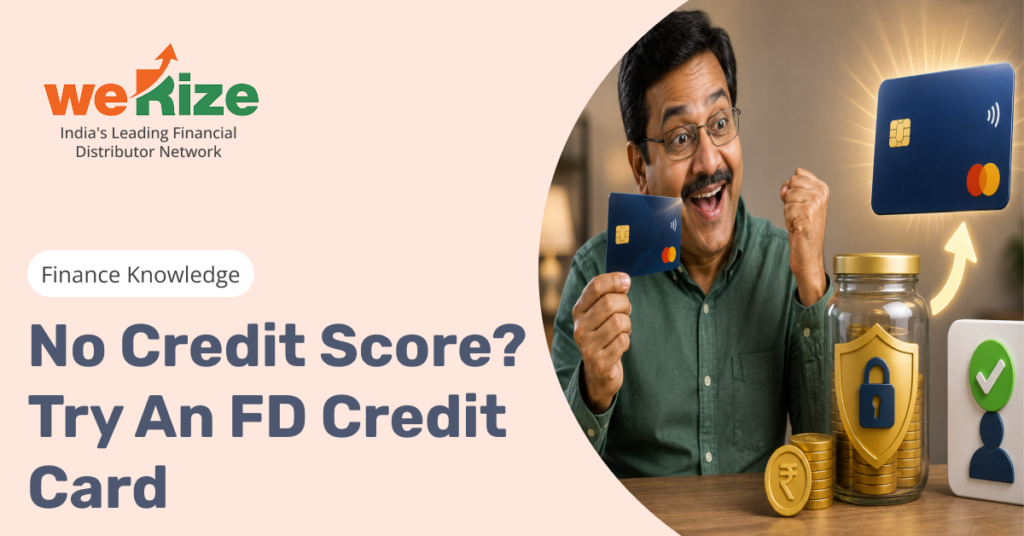


Getting your first credit card can feel tough. Most banks ask for a credit score first. But what if you don’t have one yet? This is where an FD credit card steps in. It lets you get a card without a long credit history. In short, you get a credit card against your own fixed deposit. Moreover, this option works well for students, freelancers, and first-time earners. Meanwhile, banks and fintech firms are making the process simpler than before. In this guide, we will explain how an FD credit card works. Further, we will cover benefits, eligibility, and how to apply. As mentioned earlier, this card type does not always need a CIBIL score. So, let’s dive in and understand this option step by step.
What Is an FD Credit Card?
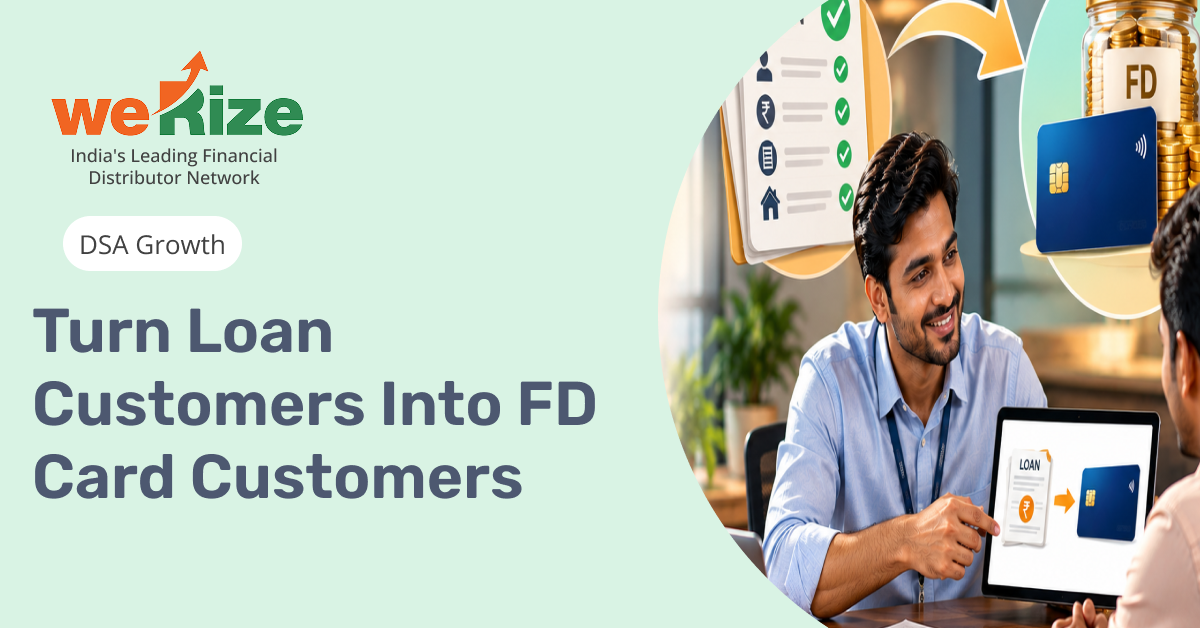
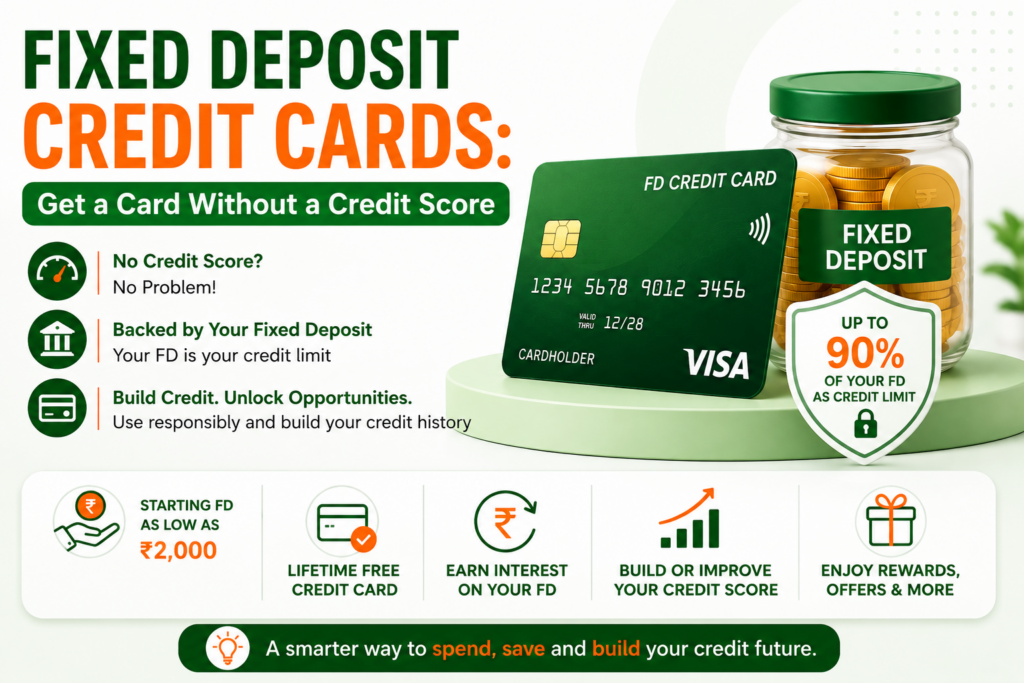
An FD credit card is a secured credit card. You open a fixed deposit with a bank or fintech firm. Then, the issuer gives you a credit card against that deposit. Basically, your FD acts as collateral. Similarly, this setup lowers the risk for the lender. As a result, you don’t need a strong credit score to qualify. Besides, the credit limit is usually a percentage of your FD amount. For instance, if you open a deposit of ₹20,000, you may get a limit close to that value. Additionally, this card works like any other credit card. You can shop, pay bills, and build your credit profile over time. However, your deposit stays locked until you close the card.
How Does an FD Credit Card Work?
The process is fairly simple. First, you deposit a fixed sum with the bank or fintech partner. Then, the issuer blocks that amount as security. After that, they issue a credit card linked to your deposit. Your credit limit usually sits between 70% and 90% of the FD value. Meanwhile, you continue to earn interest on your deposit as usual. Further, you use the card just like a normal credit card for daily spends. You get a monthly bill, and you must pay it on time. If you fail to pay, the issuer can adjust the dues from your FD. In addition, timely repayment builds your credit score over months. Consequently, many users move to a regular unsecured card later. Also, once you close the FD credit card, you get your deposit back. Therefore, this method is safe for both the user and the lender.
Can You Get a Credit Card Without a Credit Score?
Yes, you can. Traditionally, banks check your CIBIL score before approving any card. Without a score, most applications get rejected. However, an FD credit card changes this rule. Since your deposit backs the card, the issuer takes on less risk. Consequently, they skip the strict score check. Besides, this makes it a good starting point for young earners, students, and gig workers. Similarly, people who moved from another country and lack a local credit history can use this option. Furthermore, homemakers who want financial independence often prefer this route. In short, a fixed deposit acts as proof of your ability to pay. So, the issuer feels secure even without checking your past credit behavior.
How a Fintech Credit Card Without CIBIL Works
Fintech companies have made this process even easier. Many fintech apps now offer a credit card without CIBIL history. Here’s how it typically works. First, you complete a simple KYC process on the app. Next, you choose a deposit amount that fits your budget. After that, the app opens an FD with a partner bank. Meanwhile, the fintech platform issues a virtual or physical card linked to the deposit. Also, most fintech apps use alternate data to assess your risk. This may include your income pattern, bank statements, or spending habits. As a result, approval takes less time compared to traditional banks. Moreover, the entire journey happens on your phone, from application to card activation. Therefore, a fintech credit card without CIBIL is often faster and more convenient for new users.
Benefits of Getting an FD Credit Card
An FD credit card offers several advantages. Firstly, it helps you build a credit score from scratch. Secondly, it reduces the risk of rejection since it is secured by your deposit. Thirdly, you continue to earn interest on your FD even while using the card. Besides, many issuers offer reward points, cashback, and discounts on this card type. Additionally, it teaches good spending habits since your own money backs the limit. Furthermore, it suits people with no income proof or a thin credit file. Meanwhile, some fintech cards offer instant approval within minutes. Also, this card type usually has lower annual fees than premium cards. In addition, it gives you access to credit-building tools inside the app. Consequently, users can track their score and spending in one place.
| Benefit | How It Helps |
| No credit score needed | Approval based on FD, not CIBIL history |
| Builds credit history | Timely payments get reported to credit bureaus |
| Earns FD interest | Your deposit keeps earning while you spend |
| Lower rejection risk | Secured nature reduces the issuer’s risk |
| Fast digital approval | Fintech apps often approve within minutes |
| Flexible limits | Choose FD amount based on your budget |
How to Apply for an FD Credit Card
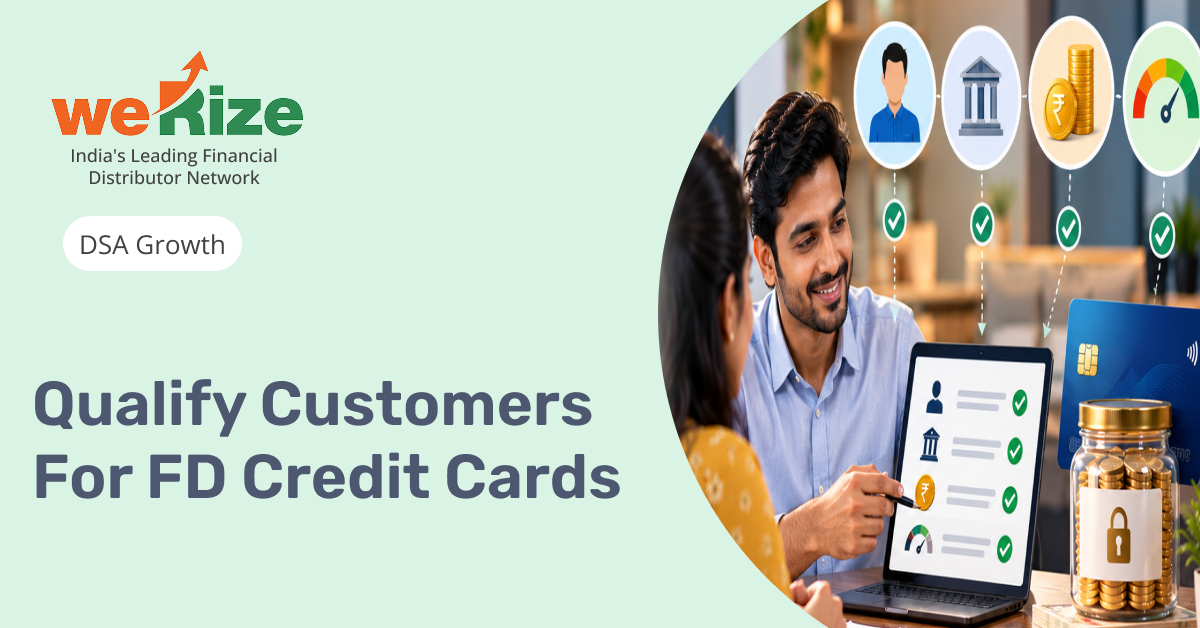
Applying for this card is a short process. First, pick a bank or fintech app that offers this facility. Next, complete your KYC using your PAN and Aadhaar details. After that, choose the FD amount you want to deposit. Meanwhile, the platform will check your basic details and documents. Once approved, the issuer opens your fixed deposit. Then, they link a credit card to that deposit within a few days. Further, you receive your card details on the app or by post. Also, you can activate the card and set your PIN instantly. Besides, most fintech platforms allow the entire process online, without any branch visit. Therefore, you can get your card within a week in most cases.
Who Can Apply for an FD Credit Card?
This card suits a wide range of people. Students who want to start building credit early can apply. Similarly, freelancers and gig workers without fixed salary slips can use this option. Homemakers who want their own credit line often choose this card too. Besides, first-time job holders with no credit history benefit greatly from it. Meanwhile, NRIs returning to India can also use this card to rebuild local credit. Further, people who faced a low score in the past can use it to recover. In addition, small business owners without formal income proof find this useful. Basically, anyone with some savings but no strong credit file can apply for this card.
Things to Consider Before Choosing an FD Credit Card
Before choosing this card, keep a few points in mind. Firstly, check the minimum FD amount required by the issuer. Secondly, compare the credit limit offered against your deposit value. Thirdly, look at the annual fee and any hidden charges. Besides, check if the issuer reports your payments to credit bureaus. Otherwise, your credit score will not improve at all. Moreover, check the interest rate you earn on the underlying FD. Furthermore, read the lock-in period and premature withdrawal rules carefully. Also, compare reward points, cashback, and other perks across issuers. In addition, check the app’s customer support and ease of use. Consequently, a bit of research helps you pick the right card for your needs.
How an FD Credit Card Can Help Build Your Credit Score
Your credit score depends heavily on repayment behavior. When you use an FD credit card, the issuer reports your payments to credit bureaus. As a result, timely bill payments start building your score month by month. Meanwhile, keeping your spending well below your credit limit also helps. This is called credit utilisation, and lower usage looks better on your report. Further, avoiding late payments is the most important habit to build. Besides, using the card regularly, even for small purchases, keeps your account active. Over time, this steady behavior creates a healthy credit history. Consequently, after six to twelve months, many users qualify for a regular unsecured card. Therefore, an FD credit card works as a stepping stone toward stronger credit health.
FD Credit Card vs Regular Credit Card
Both cards serve the same basic purpose, but they differ in structure.
| Feature | FD Credit Card | Regular Credit Card |
| Credit score needed | Not mandatory | Usually required |
| Security | Backed by fixed deposit | Unsecured, based on income |
| Approval speed | Fast, often instant | Depends on score and checks |
| Credit limit | Based on FD amount | Based on income and score |
| Best for | New or thin-file users | Users with existing credit history |
| Interest earned | Yes, on the FD | Not applicable |
As shown above, an FD credit card suits beginners better. Meanwhile, a regular credit card suits users with an established credit history. However, both cards can help you manage daily spending and build rewards over time.
Conclusion
An FD credit card is a smart way to start your credit journey. It removes the need for a credit score at the start. Instead, your own savings act as security for the bank. Moreover, a fintech credit card without CIBIL history makes this process even faster. Besides, you continue to earn interest on your deposit while using the card. Furthermore, timely payments help you build a strong credit score over time. Therefore, if you are new to credit, this card type is worth considering. In the end, it offers a safe, simple, and rewarding way to enter the credit world. Also, it gives you a low-risk way to test your spending habits before you take on a bigger, unsecured card. Meanwhile, your money stays safe in the deposit and keeps earning interest the whole time. So, if you are ready to start your credit journey, an FD credit card is a solid first step.