English

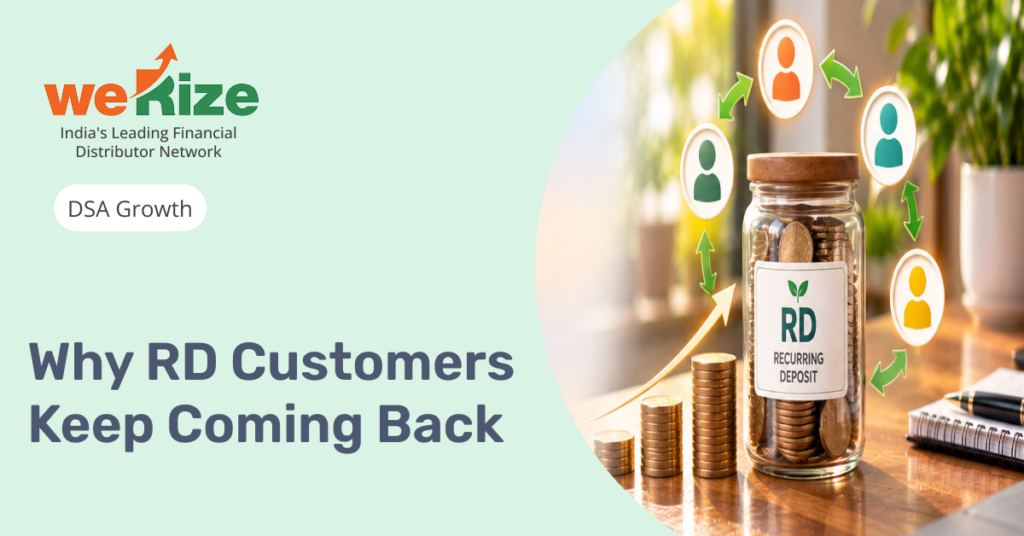
Every bank and fintech wants customers who stay. However, winning a new customer takes time and money. Therefore, keeping an existing customer is often the smarter move. This is where sticky RDs come in.
A recurring deposit, or RD, lets a customer save a fixed amount every month. As a result, the customer returns to your platform again and again. Moreover, each deposit adds a little more trust. In this blog, you will learn why RDs work so well for customer retention. Similarly, you will see how recurring savings help you win long-term customers. Finally, you will get simple steps for relationship building.
What Makes RDs Sticky for Customers?
An RD is sticky because it creates a habit. The customer picks an amount and a time period. After that, the deposit happens every month. First, this makes saving easy. Next, it makes leaving hard.
Think about how a gym membership works. Once you commit, you go regularly. Similarly, once a customer starts an RD, they stay on track. Besides, most people do not like to break a savings goal. Breaking it can mean lower returns or extra charges.
Further, an RD has a clear end date. The customer can see the finish line. This gives them a reason to stay until the end. In fact, many customers feel proud when they complete an RD. That good feeling connects them to your brand.
How Recurring Deposits Support Customer Retention
Customer retention means keeping customers active over time. RDs help because they bring the customer back every month. Meanwhile, a regular savings account may sit unused for weeks.
Here is how RDs support retention:
- Regular contact: Every deposit is a small touchpoint with your brand.
- Long commitment: A 12-, 24-, or 36-month plan keeps the customer with you for years.
- Low effort: Auto-debit means the customer does not have to remember.
Moreover, each successful deposit builds confidence. The customer sees that your platform works well. Therefore, they are less likely to move to a rival. In addition, a customer with an active RD often checks their app more. That means more chances to help them.
Why Customers Prefer Recurring Savings
Most people earn money monthly. Hence, saving monthly feels natural. Recurring savings fit the way people already live. Besides, a small monthly amount feels light on the pocket.
Similarly, RDs help people who find it hard to save. A lump sum can feel too big. On the other hand, a small monthly amount feels easy. For instance, a young professional can start with a modest sum. Later, they can raise it as their income grows.
Furthermore, RDs are simple to understand. There are no complex charts. The customer knows how much they will deposit and for how long. As mentioned earlier, this clear plan builds comfort. Because of this, customers trust the product and stay longer.
How RDs Help Build Long-Term Customer Relationships
Long-term customers do not appear overnight. They grow from small, positive moments. An RD gives you many such moments over many months.
First, the customer signs up. Then, they make their first deposit. Next, they get a reminder or a thank-you message. Later, they reach a midway point. Finally, they receive their maturity amount. Each step is a chance to connect.
Moreover, an RD shows the customer that you care about their goals. For example, a customer may save for a phone, a trip, or school fees. When you support that goal, you become more than a service. In fact, you become a partner. Consequently, the bond grows stronger with each month.
Also, trust matters a lot in finance. When deposits go through on time and the customer gets clear updates, trust rises. Similarly, when the maturity payout is smooth, the customer remembers it. They then think of you first for their next financial need.
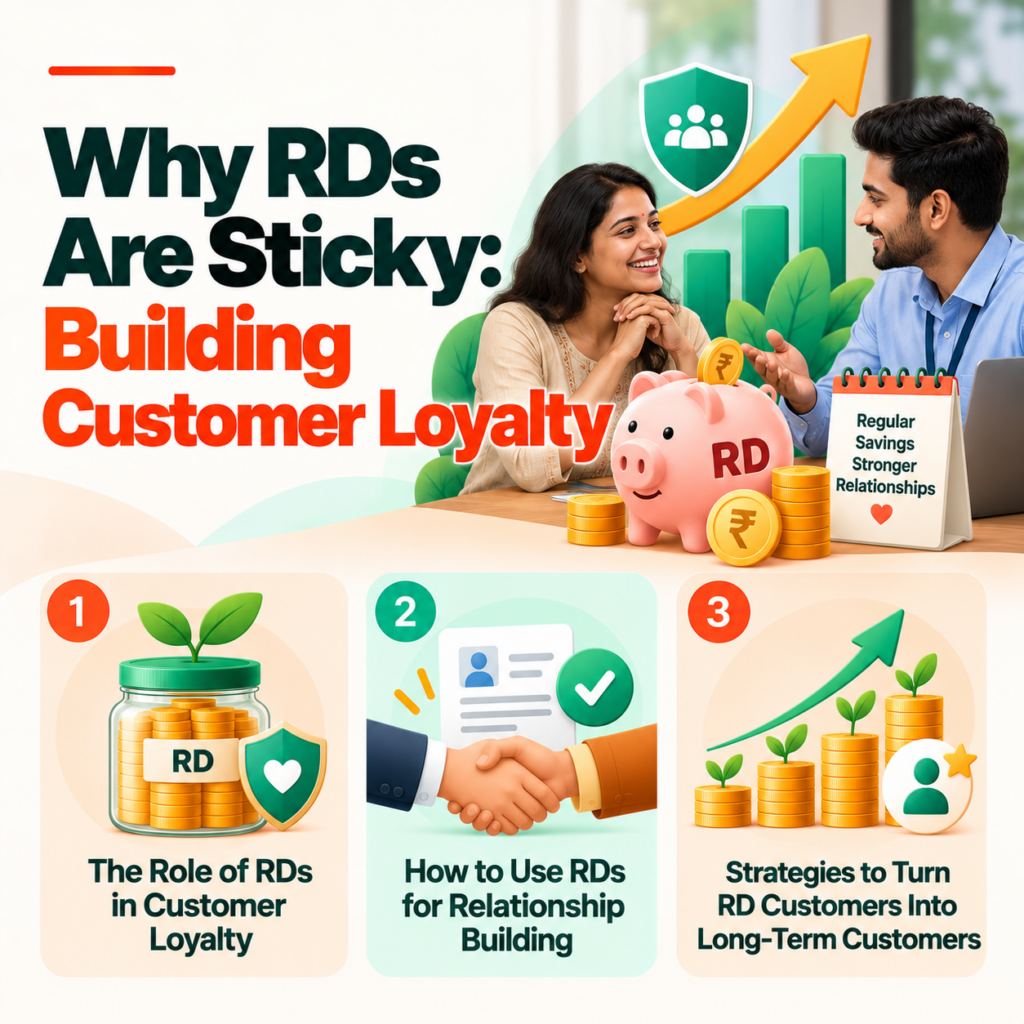
The Role of RDs in Customer Loyalty
Loyalty is more than staying. It means choosing you again and again. RDs help here in three ways.
First, RDs build habit. A habit is hard to break. Second, RDs build trust through regular, reliable service. Third, RDs build a sense of progress. The customer sees their savings grow.
Besides, loyal customers often speak well of you. They tell friends and family about a good experience. As a result, you gain new customers without heavy ad spending. Furthermore, loyal customers are often more patient if a small issue comes up. They know you have served them well before.
Here is a quick view of how RD features connect to loyalty:
| RD Feature | What It Does for the Customer | How It Helps Loyalty |
| Fixed monthly deposit | Builds a saving habit | Brings the customer back every month |
| Set tenure | Gives a clear goal and end date | Keeps the customer for the full term |
| Auto-debit option | Saves time and effort | Reduces the chance of dropping out |
| Regular updates | Shows progress and growth | Builds trust and comfort |
| Maturity payout | Gives a happy finish | Encourages a second RD or new product |
How to Use RDs for Relationship Building
Relationship building starts with good communication. Therefore, keep your messages simple and timely. For example, send a welcome message on day one. Then, send a friendly reminder before each due date.
Moreover, celebrate small wins. Congratulate the customer at the 3-month, 6-month, and halfway marks. Such small gestures feel personal. Similarly, a thank-you note at maturity leaves a warm memory.
Further, listen to your customers. Ask them why they started the RD. Additionally, ask what they plan to do with the money. Their answers help you offer the right product later. Meanwhile, use simple language everywhere. Avoid heavy financial terms. When customers understand you, they trust you.
Besides messages, think about support. If a customer misses a deposit, reach out kindly. Do not sound harsh. Instead, offer help. This one act can save a relationship.
Strategies to Turn RD Customers Into Long-Term Customers
Getting a customer to open an RD is only the first step. Next, you must keep them engaged. Here are some simple strategies.
1. Make onboarding easy. A long form makes people quit. Therefore, keep sign-up short and clear. Moreover, let customers start with a small amount.
2. Offer flexible choices. Some customers want to change their amount later. Similarly, some may prefer different tenures. Flexibility makes people feel in control.
3. Send goal-based nudges. For instance, remind a customer how close they are to their goal. In addition, show a simple progress bar in the app.
4. Reward good behaviour. Consider small perks for on-time deposits. For example, a thank-you message or a badge can work well. However, make sure any reward is clear and approved by your compliance team.
5. Renew before maturity. Meanwhile, contact customers a few weeks before the RD ends. Ask if they want to start a new one. Consequently, you keep the saving habit alive.
6. Keep the app smooth. Finally, a slow or confusing app can ruin trust. Thus, fix issues fast and keep the experience simple.
How RDs Create Cross-Selling Opportunities
Cross-selling means offering other products to an existing customer. An RD customer is a great starting point. They already trust you. Moreover, you already know their savings pattern.
For example, a customer who finishes an RD may want a fixed deposit. Similarly, a person who saves regularly may be ready for a mutual fund SIP or an insurance plan. Besides, some may need a small loan later. Because you know their history, you can suggest the right option. However, timing is key. Do not push products too early. Instead, wait for a natural moment, such as maturity or a major milestone. Further, explain the benefit in plain words. In short, help first and sell second. This approach feels caring, not pushy. As a result, customers say yes more often.
Common Mistakes to Avoid When Building Customer Loyalty
Even good plans can fail. Here are some mistakes to avoid.
- Using hard language. Heavy jargon confuses people. Therefore, always write in simple words.
- Ignoring missed deposits. Silence can push the customer away. Instead, send a gentle reminder.
- Overpromising returns. This is risky. Moreover, it can break trust and create compliance trouble. Always share accurate, verified terms.
- Hiding charges or rules. Customers dislike surprises. Hence, explain penalties and terms up front.
- Sending too many messages. Too many alerts feel like spam. Meanwhile, too few make you look absent. Find a balance.
- Forgetting the maturity stage. Many brands lose customers at this point. Thus, plan a strong renewal offer.
Tips to Improve Customer Retention With RDs
Here are some quick tips you can use right away.
- Start with a warm welcome. Similarly, end with a warm thank-you.
- Keep every message short and clear.
- Use the customer’s name in your messages.
- Also, share tips on how to save more each month.
- Track drop-off points. Then, fix them one by one.
- Ask for feedback often. Further, act on it fast.
- Train your support team to be kind and quick.
- Finally, test new ideas in small groups before a full launch.
Overall, small acts add up. When you repeat them every month, customers feel valued. In turn, they stay.
Conclusion
Sticky RDs work because they turn saving into a habit. Moreover, they bring customers back every month and keep them for years. As mentioned earlier, this steady contact builds trust. Consequently, trust turns into customer loyalty.
To sum up, focus on clear communication, easy onboarding, and timely support. Besides, avoid common mistakes like hard language and overpromising. Meanwhile, use maturity as a chance to renew or cross-sell. When you care about the customer’s goals, they will care about your brand. That is the real power of recurring savings. To become a loan agent, sell RD or FD credit cards, & to earn more, join WeRize & start your DSA journey. Start small, stay patient, and grow steadily.